As Ethical Investment Funds Gaining Popularity in Europe takes center stage, this opening passage beckons readers with captivating insights into the world of finance, where ethical considerations are reshaping investment strategies and driving positive change across the continent.
Exploring the growth of ethical investment funds and their impact on both financial markets and societal values reveals a dynamic landscape of opportunities and challenges.
Understanding Ethical Investment Funds
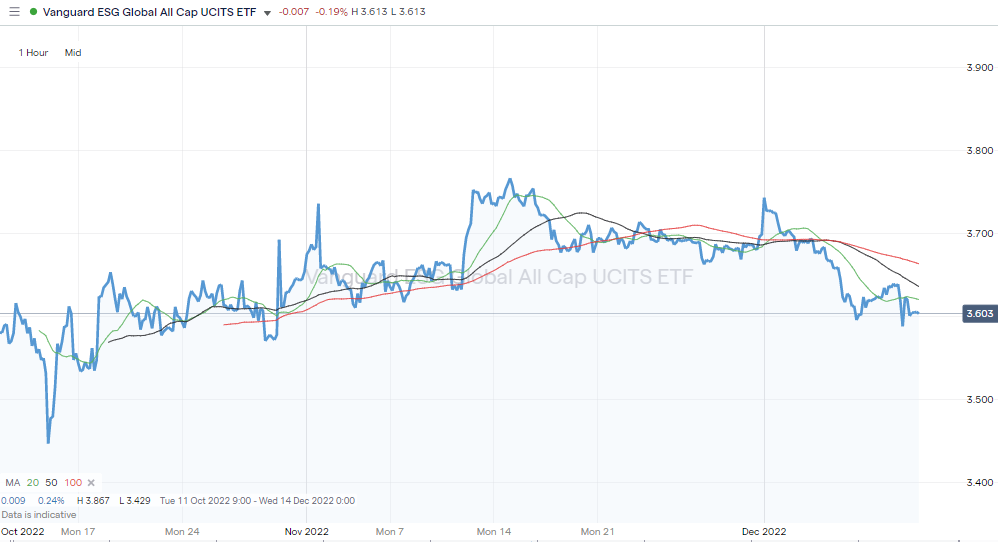
Ethical investment funds, also known as socially responsible investment funds, are investment vehicles that focus on generating financial returns while considering the ethical, social, and environmental impact of the companies in which they invest.
Ethical investing is a concept that takes into account not only the financial performance of a company but also its practices in areas such as sustainability, corporate governance, human rights, and diversity. This approach aims to align investors' values and beliefs with their investment decisions, promoting positive change in the corporate world.
Companies or Sectors Included in Ethical Investment Funds
- Renewable Energy Companies: Ethical investment funds often include companies that are involved in renewable energy sources such as solar, wind, and hydroelectric power, promoting a shift towards a more sustainable energy future.
- Technology Companies: Companies that prioritize data privacy, cybersecurity, and innovation while adhering to ethical business practices are commonly found in ethical investment portfolios.
- Healthcare Companies: Pharmaceutical companies that focus on providing affordable medications, medical research, and healthcare services to underserved populations are favored by ethical investment funds.
- Diverse and Inclusive Companies: Organizations that promote diversity, equity, and inclusion within their workforce and community, fostering a positive social impact, are often included in ethical investment strategies.
Factors Driving Popularity in Europe

The rising popularity of ethical investment funds in Europe can be attributed to several key factors that are shaping the investment landscape in the region. As consumers become more socially conscious and environmentally aware, they are increasingly seeking investment options that align with their values and beliefs.
This shift in consumer preferences has led to a growing demand for ethical investment funds that prioritize sustainability, social responsibility, and ethical business practices.
Consumer Preferences and Societal Trends
Consumer preferences play a significant role in driving the popularity of ethical investment funds in Europe. As individuals become more aware of global issues such as climate change, social inequality, and corporate governance scandals, they are seeking investment opportunities that promote positive change and contribute to a more sustainable future.
This shift towards ethical investing is also influenced by broader societal trends that prioritize environmental protection, social justice, and ethical business conduct.
- Increasing awareness of environmental and social issues
- Desire to support companies with strong ethical practices
- Growing demand for sustainable investment options
- Rising interest in impact investing
Performance Comparison with Traditional Funds
One of the reasons behind the growing popularity of ethical investment funds in Europe is their competitive performance compared to traditional funds. Contrary to the belief that ethical investing may yield lower returns, studies have shown that ethical funds can deliver comparable or even superior returns over the long term.
This has attracted more investors to ethical funds, as they see the potential for financial gain while also making a positive impact on society and the environment.
- Studies showing competitive returns of ethical funds
- Long-term performance sustainability of ethical investments
- Alignment of financial goals with ethical values
Regulations and Standards
Ethical investment funds in Europe are subject to a regulatory framework that aims to ensure transparency, accountability, and adherence to ethical principles. These regulations help investors make informed decisions and hold fund managers accountable for their investment choices.
Regulatory Environment for Ethical Investment Funds
- The European Union's Sustainable Finance Action Plan sets out a comprehensive regulatory framework for sustainable finance, including ethical investment funds.
- The Markets in Financial Instruments Directive (MiFID II) requires investment firms to take into account environmental, social, and governance (ESG) factors when providing investment advice.
- Regulatory bodies such as the European Securities and Markets Authority (ESMA) oversee the compliance of investment firms with ethical investment regulations.
Standards for Inclusion in Ethical Funds
- Companies must meet certain environmental, social, and governance (ESG) criteria to qualify for inclusion in ethical investment funds.
- Common standards include adherence to international conventions, such as the United Nations Global Compact, and transparency in reporting on ESG performance.
- Fund managers may also consider specific sector-based criteria, such as avoiding investments in fossil fuels or weapons manufacturing.
Recent Regulatory Changes
- The EU Taxonomy Regulation establishes a classification system for sustainable economic activities, providing clarity on what can be considered a sustainable investment.
- The Sustainable Finance Disclosure Regulation (SFDR) requires fund managers to disclose how they integrate ESG factors into their investment decisions and the impact of these factors on returns.
- Recent updates to the Non-Financial Reporting Directive aim to enhance the consistency and comparability of ESG information disclosed by companies, providing investors with better insights into the sustainability of their investments.
Impact of Ethical Investment Funds
Investing in ethical funds can have a significant social and environmental impact, as it directs capital towards companies that prioritize sustainability, social responsibility, and ethical practices. By choosing to invest in these funds, individuals and institutions can support initiatives that promote positive change and contribute to a more sustainable future.
Social Impact
- Ethical investment funds can provide funding for community development projects, affordable housing initiatives, and education programs that benefit marginalized populations.
- By investing in companies with fair labor practices and a commitment to diversity and inclusion, ethical funds can help promote social equality and improve working conditions.
- Supporting businesses that prioritize ethical sourcing and production methods can lead to a decrease in unethical practices such as child labor and exploitation.
Environmental Impact
- Investing in companies focused on renewable energy, clean technology, and sustainability can help reduce carbon emissions and combat climate change.
- By supporting environmentally conscious businesses, ethical funds can drive innovation in green technologies and promote conservation efforts.
- Divesting from industries with a negative environmental impact, such as fossil fuels and deforestation, can help protect natural resources and ecosystems.
Examples of Successful Initiatives
- One successful initiative funded by ethical investment funds is the development of a solar energy project that provides clean and affordable electricity to underserved communities.
- Another example is a sustainable agriculture program that promotes organic farming practices and supports small-scale farmers in developing countries.
- Investments in companies developing innovative solutions to plastic pollution have also been supported by ethical funds, leading to a reduction in plastic waste and pollution.
Driving Positive Change in Corporate Behavior
- Ethical investing can influence corporate behavior by rewarding companies that demonstrate a commitment to sustainability and social responsibility.
- By engaging with companies through shareholder advocacy and voting on ethical resolutions, investors can push for greater transparency and accountability.
- Companies that receive funding from ethical investors may be more likely to adopt environmentally friendly practices, improve labor standards, and prioritize ethical business conduct.
Ultimate Conclusion

In conclusion, the rise of Ethical Investment Funds in Europe signifies a shift towards responsible and sustainable investing practices, highlighting the potential for impactful change in the financial realm. As investors increasingly prioritize ethical considerations, the future of finance in Europe looks promising and socially conscious.
Clarifying Questions
What are ethical investment funds?
Ethical investment funds are financial products that prioritize companies or sectors based on ethical, social, or environmental criteria along with financial returns.
How do consumer preferences influence the popularity of ethical investment funds in Europe?
Consumer preferences play a significant role as more investors seek to align their values with their financial decisions, driving the demand for ethical investment options.
What impact do ethical investment funds have on corporate behavior?
Ethical investment funds can incentivize companies to adopt more sustainable practices and responsible behaviors as they strive to meet the criteria for inclusion in these funds.